Arthritis
7
Cardiovascular diseases
8
Muscle cramps. 9
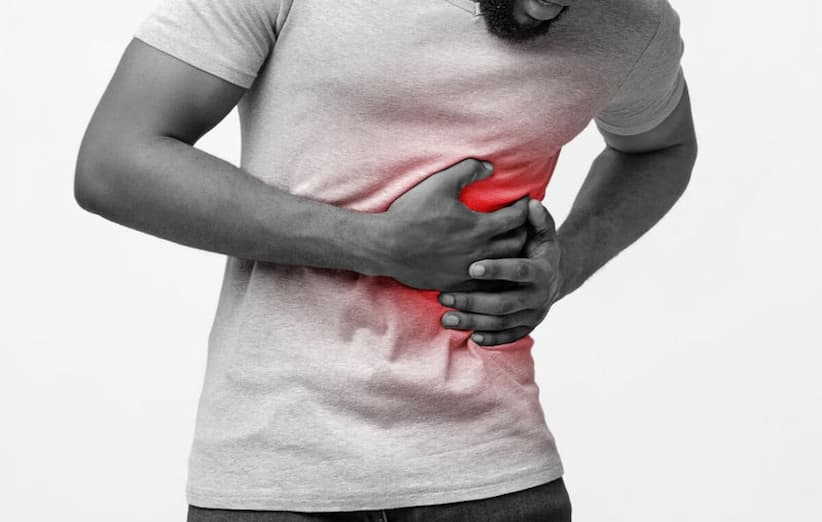
Back pain and disc issues. Eliminating rice from the diet for an extended period is a significant risk.
۴. ضعف عمومی بدن
۵. خستگی زودرس
۶. آرتروز
۷. بیماریهای قلبی ـ عروقی
۸. گرفتگی عضلات
۹. بروز کمردرد و دیسک
حذف برنج از برنامه غذایی برای مدت طولانی یک خطر بزرگ است
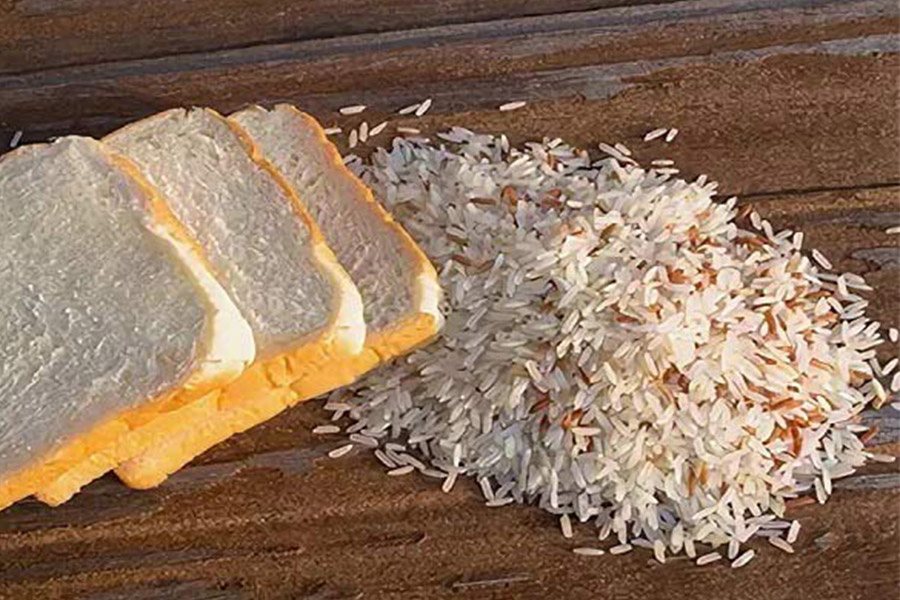
Eliminating rice from your diet for a long time is a significant risk | Dieting does not mean permanently removing food. Unfortunately, one of the very common eating habits among overweight individuals is the elimination of starchy foods like rice and bread. Whenever the topic of following a diet for weight loss and achieving fitness arises, many people think about removing some beneficial foods from their meals. These individuals believe that bread and rice are fattening and should be completely removed from their daily dietary pattern. However, they do not realize the significant risks they take by completely eliminating rice from their diet. The complete elimination of rice from your diet poses a great risk.
Before taking such a step, it is better to know that having rice in your diet can greatly assist in your weight loss. Carbohydrates are the most important sources of energy for the body, accounting for about 50 to 65 percent of total daily calorie intake. On the other hand, foods that contain bread or rice have high satiety value, and a person does not feel hungry for a while after consuming bread or rice. Therefore, eliminating these beneficial starchy foods from the diet can lead to constant feelings of hunger and overeating. Even if you have examined various diets such as carb cycling, you must have noticed that these new fasting diets also only invite you to reduce carbohydrate and starch intake for a short period. Even strict diets ask you to eliminate rice and bread for a short time, not forever!!!
Individuals who follow very low-calorie diets devoid of bread, rice, and other starchy foods cannot sustain such a difficult diet in the long run and will inevitably resort to overeating, especially consuming high-calorie foods, which will certainly exacerbate obesity.
Learn more about the benefits of rice
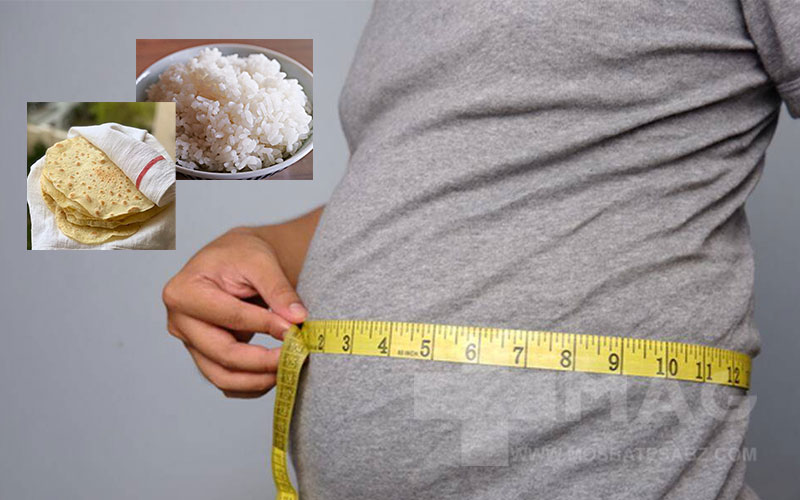
It is entirely true that to reduce belly and side fat, one must significantly limit starch intake, but this limitation does not mean complete elimination. Rice alone has properties that are beneficial for your health. Rice contains a substance called Oridine, which has anti-inflammatory properties. Rice is very rich in nutrients. However, rice has a brown outer layer known as rice bran, which loses some of its vitamins when separated from the main grain.
Rice can be considered the best food for recovery from an illness. Eating rice keeps blood sugar levels balanced. Interestingly, a study conducted in the United States concluded that a rice diet is beneficial for treating high blood pressure. Overall, rice is one of the main sources of vitamin B1. When this vitamin is low in the body, the risk of developing beriberi increases. Additionally, vitamin B1 deficiency has other symptoms, including weakness, fatigue, loss of appetite, and nausea. Therefore, individuals who reduce or eliminate rice consumption, even for a short time, are advised to compensate for the deficiency of vitamin B1 from other sources.
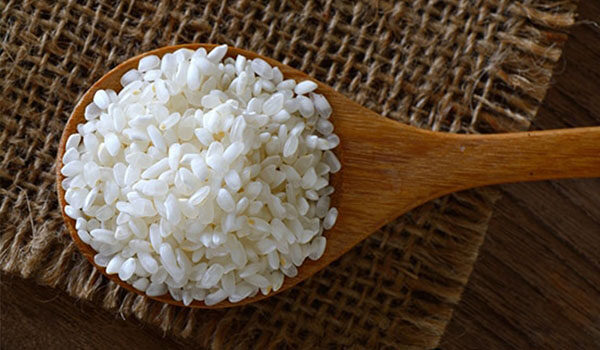
Eliminating rice increases your sugar intake!
The elimination of starchy foods, especially rice, from the diet has other consequences and harms in addition to those previously mentioned. The energy required for nerve cells comes from carbohydrates. If starchy foods are removed from the dietary pattern, a person's desire for sugary and sweet foods increases. You surely know that consuming sugary foods leads to tooth decay and damage. Moreover, sugary foods are quickly absorbed into the bloodstream after consumption, which causes a feeling of fullness shortly after eating. The rapid absorption of sugary foods raises blood glucose levels and insulin secretion, lowering blood glucose levels, resulting in a drop in blood sugar and the neurological symptoms that follow. In contrast, starchy foods gradually release their sugars into the bloodstream, keeping blood glucose levels balanced.
By eliminating rice, you turn to protein and fat.
If you eliminate rice from your daily diet, you will inevitably overconsume fats and protein sources to meet your energy needs, which is certainly not beneficial. Since fats are considered the richest source of energy (each gram of fat produces 9 calories, which is about 2.5 times that of a gram of protein or carbohydrate, each providing 4 calories), relying on fats for energy not only significantly increases the likelihood of obesity compared to starchy foods but also leads to various disorders such as increased undesirable blood fats, cardiovascular disorders, a higher risk of stroke, and an increased likelihood of cancer.
If you completely eliminate carbohydrates from your diet arbitrarily and without paying attention to any type of appropriate and principled diet fats will undergo incomplete combustion, and instead of being fully metabolized to produce energy, they will create a compound called ketone, leading to a condition known as ketosis, which is very harmful and dangerous and can seriously jeopardize your health.
Of course, keep in mind that while the consumption of bread, rice, and other starchy foods is essential in the daily diet of all individuals, and we also recommend that you do not stop consuming them, it is important not to overconsume this food group, as it can lead to weight gain and obesity. Additionally, excessive carbohydrate intake can easily convert to fat and be stored in the body.
Comments
No comments yet.