
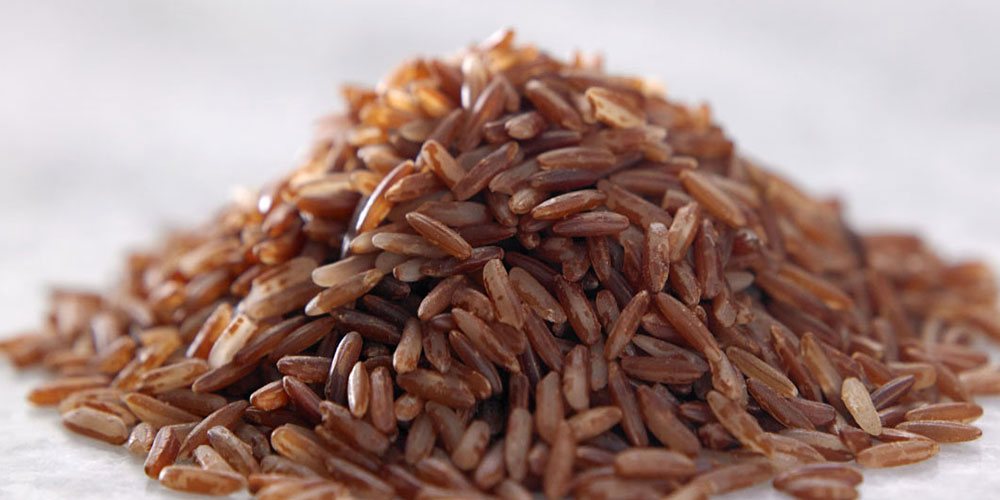
Semi-white rice:
is rice from which the bran and part of the germ have not been completely removed.
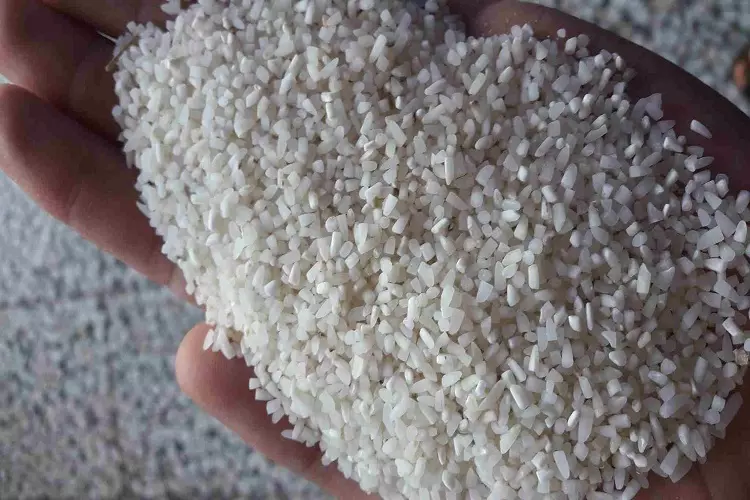
Completely white rice:
is rice from which the bran has been completely removed and only a small part of the germ remains.
Extra white rice:
is rice from which almost all the bran and germ have been separated.
The best quality rice in the world:
Indian basmati rice.
The term 'basmati' in Hindi means 'fragrant,' referring to the aroma and flavor of the rice.
Basmati rice
is known for its nutty flavor and mild aroma. It is usually used with Indian and South Asian dishes, along with foods like
Indian biryani
and various kebabs made from basmati rice.
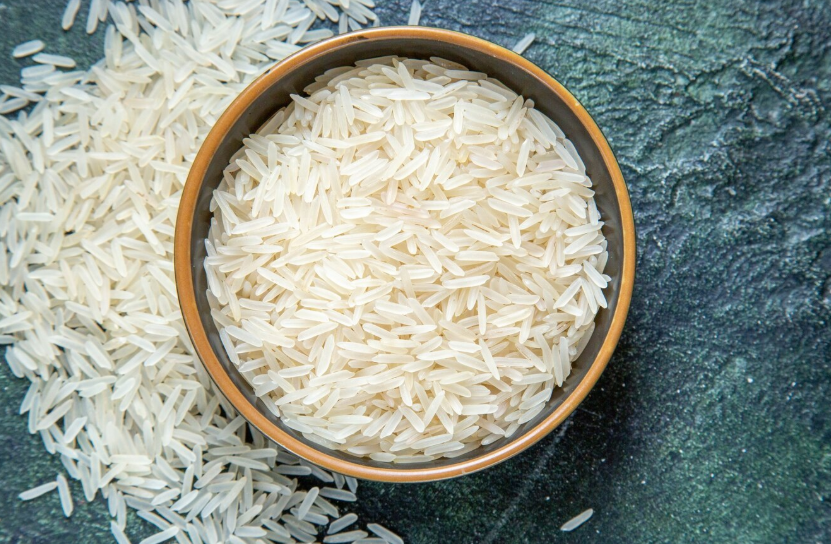
Basmati rice has a long grain and does not become sticky when cooked like brown or regular white rice. Basmati is a type of long-grain rice that was originally cultivated in India and Pakistan. Its characteristic is its flavor and aroma, and after cooking, the grains remain separate and do not stick together.
برنج باسماتی هندی
واژه «باسماتی» در زبان هندی به معنی «معطر» است که به عطر و طعم برنج اشاره دارد. برنج باسماتی به خاطر طعم آجیلی و عطر ملایمی که دارد، معروف است. معمولا با غذاهای هندی و آسیای جنوبی و همراه با غذاهایی مانند بریانی هندی و انواع کباب از برنج باسماتی استفاده میشود.
برنج باسماتی حالت سوزنی دارد و به اندازه برنج قهوهای یا سفید معمولی هنگام پخت حالت چسبناک ندارد. باسماتی نوعی برنج دانه بلند است که در ابتدا در هند و پاکستان کشت میشد. مشخصه این برنج طعم و عطر آن است و پس از پخته شدن، دانهها به صورت جداگانه باقی میمانند و به یکدیگر نمیچسبند.
The longer the grain, the better the quality of the rice. The best basmati grains have a slightly golden color. Haryana in India is the largest region for cultivating this rice, and basmati rice is also grown in Pakistan, originating from the Punjab province. For many years, this rice was found only on the tables of the elite and wealthy in Southeast Asia.
Basmati rice has a low glycemic index, which is why it has found a special place in diet plans. It keeps you full for a long time. This rice is rich in vitamins and has good nutritional value because it grows in soils that derive a lot of minerals and vitamins from the Himalayas.
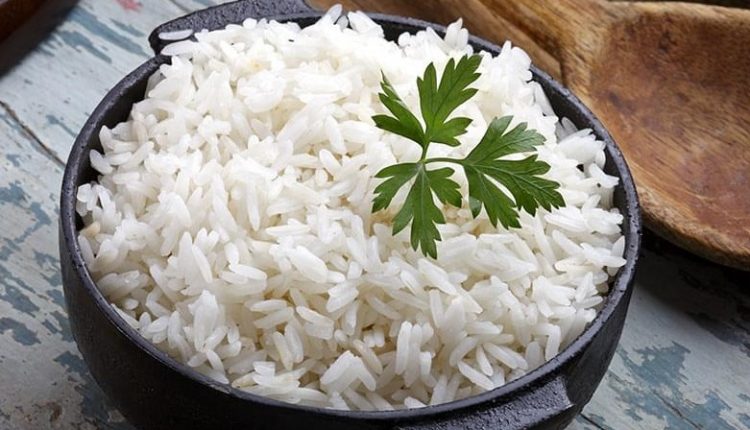
Nutritional value of basmati rice
In 100 grams of raw basmati rice, there are 364 calories, 0.4 grams of dietary fiber, 6.4 grams of protein, 23 milligrams of sodium, 78.89 grams of carbohydrates, 115 milligrams of potassium, 1.29 grams of fat, 28 milligrams of calcium, 9.42 milligrams of iron, and 78.44 milligrams of starch. Additionally, this type of rice contains five times more vitamin E, twice as much dietary fiber, and three times more magnesium than white rice.
Among the foreign rice varieties imported to Iran, "basmati rice" is recognized as the highest quality and healthiest foreign rice. As mentioned, basmati rice is imported from both India and Pakistan to Iran. However, the imported rice from India includes other varieties as well, with basmati being the most recognized among them. Experts claim that Indian basmati rice is the best foreign rice in terms of quality and assert that this rice is qualitatively more similar to Iranian varieties.
India is one of the largest rice producers in the world. Indian rice is mostly known by the name برنج باسماتی which is one of the types of Indian rice. The term basmati has its roots in the Hindi language, meaning fragrant or aromatic. In fact, Indian basmati rice is a long-grain, fragrant rice that has been cultivated for centuries in the foothills of the Himalayas; this rice is also grown in several other countries, including Pakistan; however, more than two-thirds of this type of rice is produced by India.
Continuing with the characteristics of Indian and Pakistani rice, it should be noted that good quality Indian rice should be packaged in cloth bags, not plastic bags. Additionally, the ends of Indian rice grains are conical and pointed. The grains of Indian rice have a golden and transparent color; therefore, be aware that to identify authentic Indian rice, they should not have a grayish or shiny white color. It is worth mentioning that the longer the rice grains, the higher the quality.
Properties of Pakistani rice
As mentioned above, Pakistani rice is known for its unique aroma and taste, and due to the appearance of its long grains, it also has high cooking power, making it an incredibly delicious rice for various gatherings. In addition to its excellent features, Pakistani rice possesses unique properties that we will explore further.
- The fiber in Pakistani rice reduces the risk of heart disease and also helps control cholesterol levels.
- Pakistani rice contains significant amounts of niacin, which helps improve blood circulation in the body.
- Fiber can help reduce calorie intake and inhibit fat absorption; therefore, the fiber in this type of rice helps you achieve an ideal weight.
- In addition to the aforementioned benefits, other properties of Pakistani rice include phosphorus, zinc, potassium, magnesium, and vitamins present in this rice.
For individuals with diabetes, consuming Pakistani rice is very suitable.
Comments
No comments yet.